
In recent years, the employee market has experienced a dramatic shift, redefining the traditional workplace and transforming how organizations approach office culture. The rise of remote work, changes in employee expectations, and the ongoing evolution of technology are reshaping the modern office environment. In this article, we will explore the various dimensions of these changes, delve into the strategies that companies are implementing to adapt, and examine the implications for both employers and employees.
The Changing Landscape of Employment
The employee market has become increasingly competitive, with skilled workers in high demand. This shift can be attributed to several factors, including technological advancements, the rise of the gig economy, and a growing emphasis on work-life balance. As organizations vie for top talent, they must reassess their workplace strategies to attract and retain employees.
One significant trend is the prioritization of flexibility. Many employees now expect a hybrid or fully remote work option, allowing them to balance personal and professional commitments. Companies that embrace flexibility not only enhance employee satisfaction but also expand their talent pool beyond geographic limitations.
Redefining the Modern Office Space
The modern office must adapt to these changing expectations. Traditional cubicle layouts are giving way to open-concept spaces that promote collaboration and creativity. Companies are investing in office designs that foster teamwork, including comfortable lounge areas, brainstorming zones, and spaces for informal meetings.
However, it’s essential to strike a balance between collaboration and privacy. Employees need spaces where they can focus without distractions. Providing designated quiet rooms and soundproof areas can help cater to different work styles and needs.
“The office of the future is not just a place to work; it’s a community where collaboration, innovation, and well-being thrive.”
Technology: A Catalyst for Change
The integration of technology has become a cornerstone of the modern office. With tools like video conferencing, project management software, and instant messaging platforms, communication barriers are being broken down. This technology enables seamless collaboration, whether employees are in the office or working remotely.
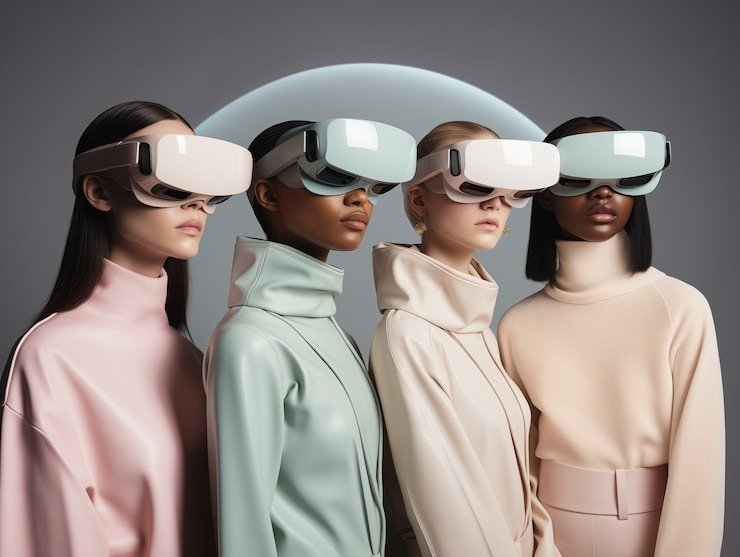
Moreover, artificial intelligence and automation are streamlining repetitive tasks, allowing employees to focus on higher-value work. Companies are leveraging tech to enhance productivity and create more engaging work experiences. Virtual reality, for instance, is being explored as a tool for training and onboarding, providing immersive experiences that can enhance learning and retention.
Cultivating a Positive Workplace Culture
A positive workplace culture is vital for attracting and retaining talent in today’s competitive employee market. Organizations are increasingly prioritizing employee well-being, offering programs that support mental health, work-life balance, and professional development. Initiatives like wellness programs, flexible schedules, and remote work options contribute to a culture that values employee happiness and productivity.
In addition, fostering a sense of community within the workplace is crucial. Teams that engage in team-building activities, social events, or volunteer opportunities are more likely to form strong bonds, leading to increased job satisfaction and collaboration.
Embracing Diversity and Inclusion
Diversity and inclusion (D&I) have become essential components of the modern office environment. Companies are recognizing that a diverse workforce brings varied perspectives, which can lead to increased creativity and innovation. Organizations are implementing D&I initiatives to ensure all employees feel valued and included, promoting equity in hiring, and providing training on unconscious bias.
Our contribution: The Future of Work
As we navigate the complexities of the employee market, it’s clear that transforming the modern office is more than just a trend; it’s a necessity. Organizations that embrace flexibility, invest in technology, prioritize workplace culture, and foster diversity will thrive in this new era of work. The future of work is not just about adapting to changes but also about creating a thriving environment where employees can flourish. By prioritizing these elements, businesses can build a resilient workforce ready to tackle the challenges of tomorrow.
